
July 22, 2024
Creating a Power Outage Plan for Georgia Residents
Sudden power outages can come as a surprise. But with a little preparation, you don’t have to be caught off guard.

The Importance of Having a Power Outage Plan
How to Prepare for a Power Outage
- Batteries and Flashlights: Keep several battery-powered flashlights and extra batteries in easily accessible locations.
- Non-Perishable Food and Water: Stock up on canned goods, dry food, and bottled water. Aim for at least a three-day supply.
- Battery-Powered Radio: A radio can help you stay informed about the situation and any updates from local officials.
- First Aid Kit: This should include basic medical supplies to treat minor injuries.
- Warm Blankets and Clothing: Keep extra blankets and warm clothing available to prevent heat loss in case the outage occurs during cold weather.
- Battery Backup for Electronics: A battery backup can keep your phone and other essential devices charged.
There are several steps you can take around the house to get ready for an outage:
- Install a Whole-House Surge Protector: This can protect your appliances and electronics from electrical shock caused by power surges.
- Unplug Appliances: Unplugging appliances can help avoid damage when power returns.
- Check Your Generator: If you have a generator, make sure it’s in good working order and you have enough fuel. Generators can keep your refrigerator, medical equipment, and other necessities running during an outage.
Safety Measures for Medical Needs
- Backup Power: As we mentioned, it’s a good idea to invest in a battery backup or generator to keep medical equipment running.
- Contact Medical Providers: Inform your healthcare provider about your plan and ask for any additional advice.
- Keep Refrigerated Medicines Cold: Use a cooler with ice packs to keep medicines at the required temperature during an outage.
When the power goes out, it’s important to follow these power outage safety tips:
- Avoid Carbon Monoxide Poisoning: Never use generators, charcoal grills, or camp stoves inside the house. Always place them outside, away from windows and doors.
- Use Battery-Powered Lights: Instead of candles, which can pose a fire hazard, use battery-powered lights.
- Stay Warm: If it’s chilly outside, close off unused rooms to keep the heat in one room, and dress in layers to stay warm.
- Keep Food Cold: A full freezer can keep food frozen for about 48 hours, and a fridge will keep food cold for about four hours if the door remains closed.
- Check on Neighbors: Remember to check up on your older neighbors and those who have medical needs that might require power-dependent medical devices.
Power surges can damage your electronics when the power returns. Here’s how to protect them:
- Unplug Electronics: Unplug your TV, computer, and other sensitive electronics to avoid damage.
- Use Surge Protectors: If you haven’t already, consider using surge protectors for valuable electronics.
What to Do After the Power Outage
Once power is restored, there are a few steps to take:
- Check Your Appliances: Make sure your appliances are working correctly. If any have been damaged, call a professional for help.
- Restock Supplies: Replace any used supplies, such as batteries and non-perishable foods, to prepare for the next outage.
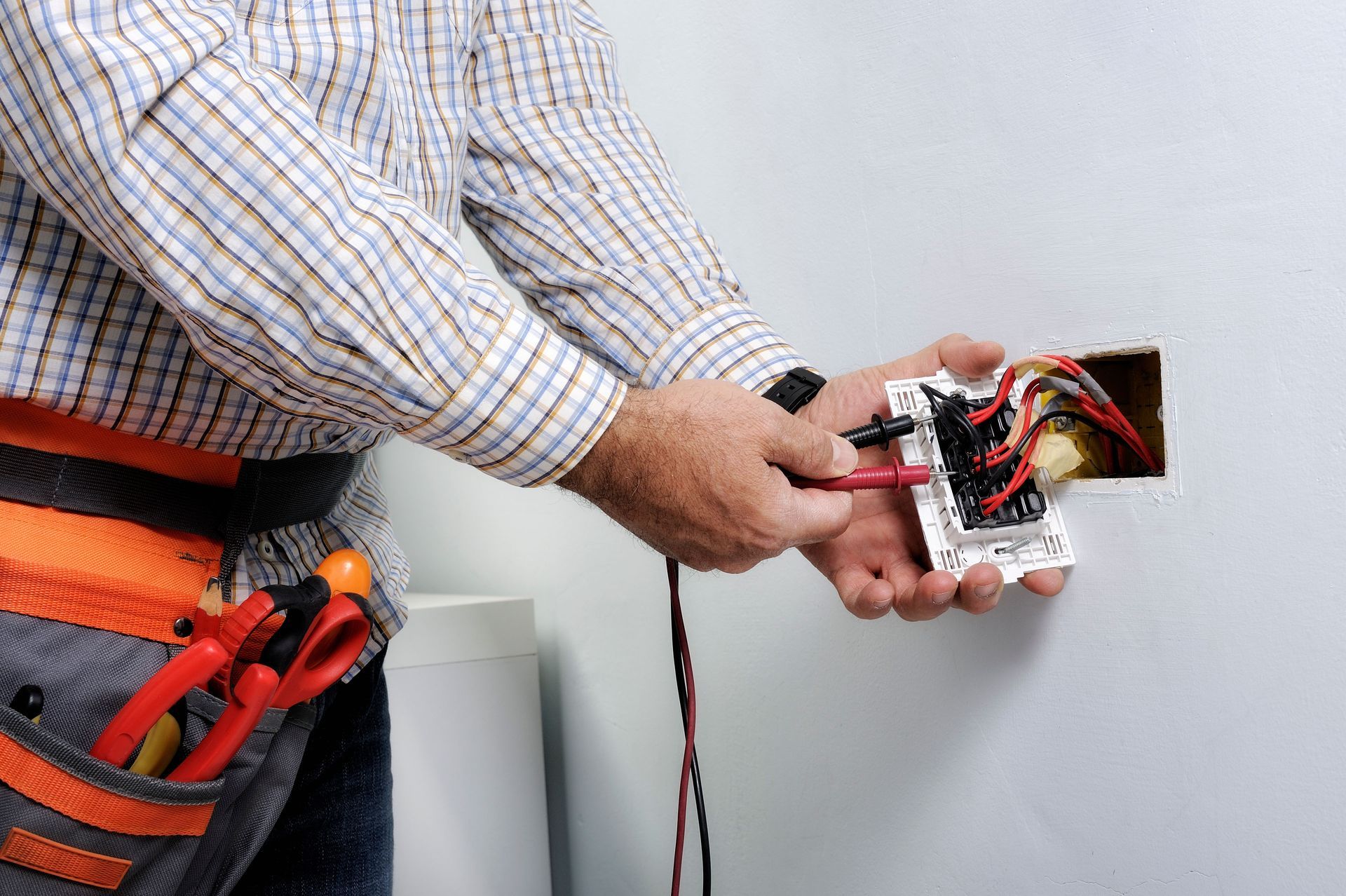
- Assess Damage: Look for any damage to your home’s electrical system and have it repaired if needed.