Electrical problems can develop gradually or appear without warning, creating safety risks and disrupting how your home or business functions. Issues such as outdated wiring, overloaded circuits, damaged outlets, and aging electrical panels can all indicate that your system needs attention. Understanding when electrical upgrades or rewiring may be necessary can help you address potential problems before they lead to more serious damage or costly repairs. And according to the Consumer Product Safety Commission, electrical receptacles cause 5,300 fires every year. This results in over 100 injuries and 40 deaths.
You may be experiencing problems such as dimming lights or blown circuits, sparks from an outlet, etc. If you’re experiencing any of these issues, you need to schedule one of our electricians to provide you with a detailed electrical safety inspection report and price to upgrade your home or commercial electrical system as soon as possible. Choosing an experienced electrical company can help ensure these issues are properly evaluated and addressed before they develop into more serious problems.
Avoiding Sticker Shock: Understanding Cost To Rewire a House
The whole house electrical rewiring cost will vary depending on the age and size of your home and the accessibility of the old wiring. Wiring is usually charged per square foot, so a larger home with more outlets will have a higher cost. A professional electrical company can evaluate the property and provide a more accurate estimate based on the scope of the work.
How extensive a repair is affects cost. If you are only upgrading electrical panels or rewiring a portion of the home, the cost will be lower.
Based on our experience, adding outlets or switches to rooms will cost between $100 and $185 per item. Electricians usually charge a set fee per outlet, switch, and fixture box.
We have found that the cost for labor nationwide averages between $50 and $100 per hour. You will pay a higher rate in a large city or heavily populated area.
Electrical Upgrade Considerations
Rewiring a home requires the electrician to remove your old wiring before replacing it. The cost for this process depends on how easy it is for them to access your old wiring. Older homes are likely to have more hard-to-reach areas and will cost more than newer construction.
In this instance, the electrician may need to cut small holes in the walls and then carefully feed the wires through them. There are additional things that will likely need replacement in older homes:
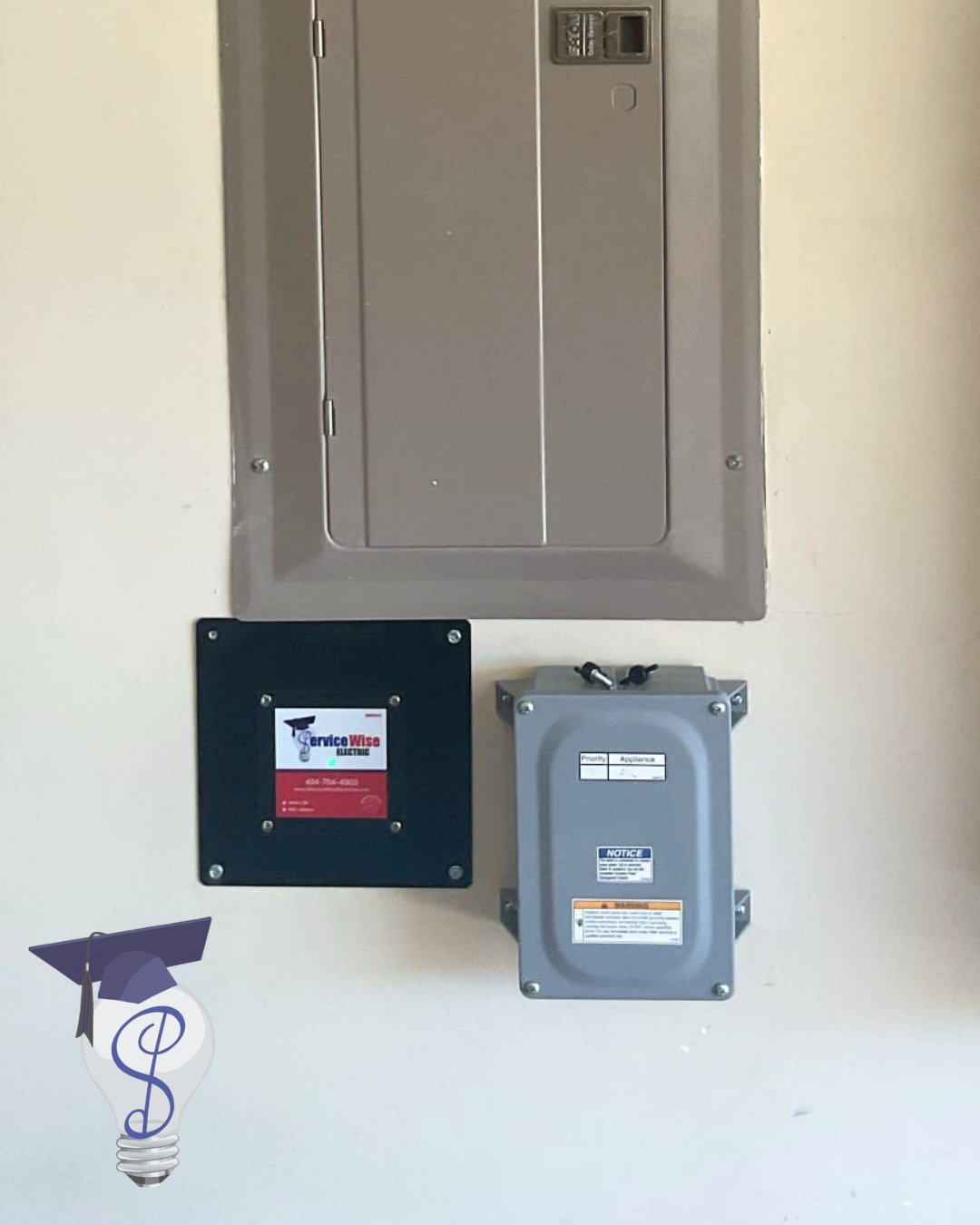
- Electrical service panel upgrades to the standard 200-amp system, also necessary if increasing the amount of power your system can handle.
- Opening Walls—to run wire, install new switches, outlets, and panels, then repair the walls when the electrical work is complete.
- Adding electrical outlets, circuits, and switches—electrical code usually requires a minimum of three outlets per room.
Homes where the electrician can reach the wiring through basements, crawl spaces, attics, or floor joists will be less expensive. If walls and ceilings need to be opened and then repaired, it is more time-consuming and costly. Kitchens and bathrooms usually cost more to rewire than other rooms because of the need for heavy-duty wiring and outlets capable of handling large appliances. Grounded outlets are a code requirement near sources of water. Bedrooms are usually the least expensive rooms to rewire.
You pay for permits and inspections in accordance with the state and municipality where the home is located. Inspections are a requirement to confirm that all work meets national and local electrical codes.
It is less expensive to wire a new house than to rewire an existing home. In new construction, the electrician is working with open walls and can easily string the wires through studs without having to break through the drywall. They are able to attach outlet boxes and switch receptacles to studs. A qualified electrical company can help ensure the wiring is installed safely and efficiently.
DIY Rewiring a Whole House
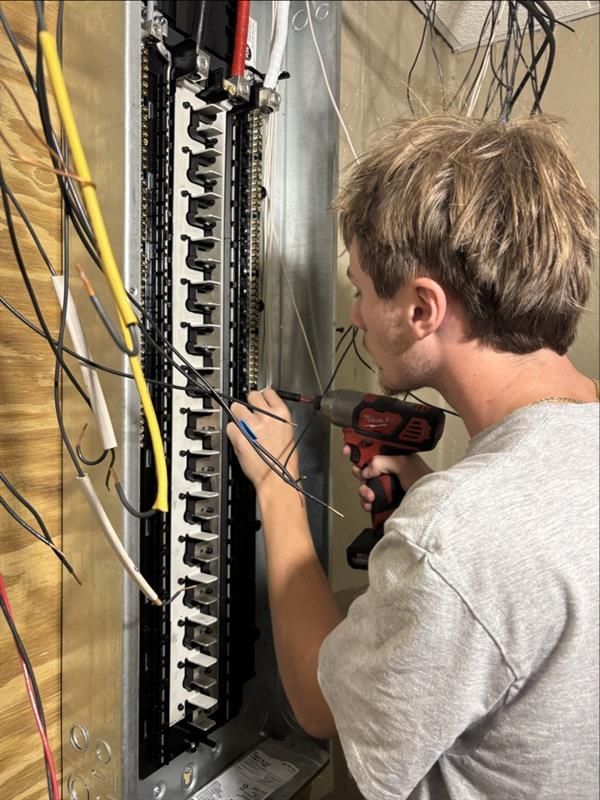
You may feel that a good book on how to wire a home will make doing the repairs yourself safe and save money. DIY rewiring a whole house is a bad idea. Working with electricity is dangerous. Here are some things you risk if you attempt to tackle an electrical job on your own:
- Injury—if you touch a wire incorrectly, you may suffer severe burns or death
- Fire Hazard—improper repair work may cause wires to overheat, resulting in fire
- Mishandling—without electrical training, you may make an expensive or deadly mistake and need a professional to remedy the error
- Permits and Licensing—you must obtain a permit to conduct electrical repairs, and in Georgia, you may not sell any property in which you or any other unlicensed worker performs electrical work
- Selecting incorrect products—you must make sure that the light switch or fixture is proper for its intended use
- Improper tools—electricians have and use the equipment and tools necessary to safely and properly complete a job
- Failing Electrical Inspections—the home must meet the National Electric Code and local codes; violations may result in fines and the need for repairs
- Insurance—if your home suffers damage due to improper electrical work, your insurance may not cover costs
Attempting to do electrical work on your own can result in other mistakes, including cutting wires too short, creating connections outside an electrical box, and other errors that may result in fire, serious bodily injury, or death.
Need to get a cost to rewire your home or business? Book an appointment with ServiceWise Electric & Plumbing online today. We are a family-owned and operated electrical company offering a wide variety of services to meet all of your home or business electrical needs.