In today's world, energy efficiency is increasingly important for both environmental sustainability and cost management. Electrical repair is a crucial part of keeping homes and businesses operating safely while reducing unnecessary energy waste. When systems are inspected, maintained, and updated properly, property owners can lower utility costs, improve performance, and extend the life of appliances and equipment. As energy costs continue to rise, even small improvements in system efficiency can create meaningful long-term savings. Improving efficiency also reduces strain on utility grids, supporting broader sustainability goals across communities.
Understanding Energy Loss in Electrical Systems
Energy loss can happen when wiring, panels, outlets, or connected devices are not working as efficiently as they should. Common causes include heat buildup, voltage drops, loose connections, damaged conductors, and outdated components. These issues force systems to work harder, which can increase monthly energy bills and place extra strain on equipment.
Even seemingly minor inefficiencies can accumulate over time. A single loose connection may only waste a small amount of energy daily, but over months or years, that wasted power can become substantial. Monitoring system performance regularly helps identify these inefficiencies before they escalate into larger operational problems.
Faulty wiring is one of the most important problems to address because it can affect both safety and efficiency. Poor connections may allow electricity to escape as heat, which wastes power and creates fire risks. Timely electrical repair can correct these problems before they become more expensive or dangerous.
The Importance of Professional Inspections
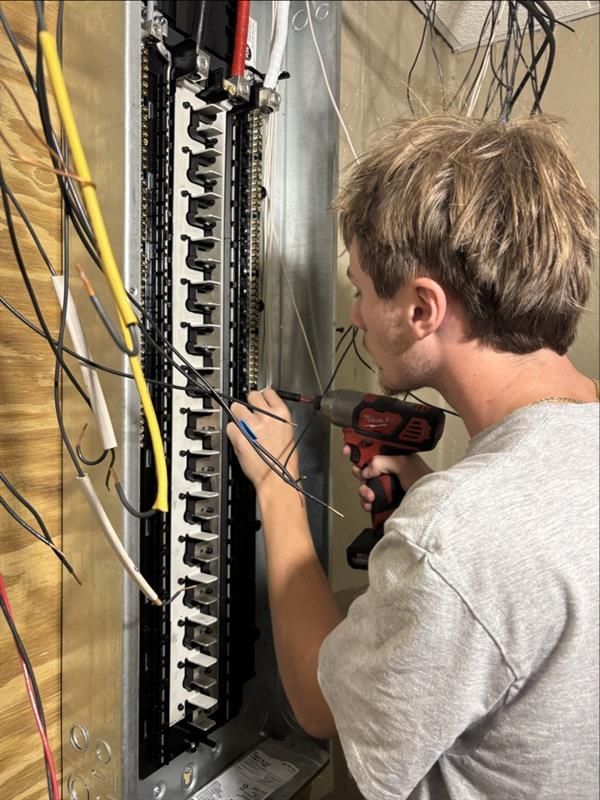
Professional inspections help identify hidden electrical issues that may not be obvious during daily use. An electrician can test circuits, review panel performance, check outlets, and look for signs of overheating or wear. These inspections are especially helpful in older buildings, where aging systems may no longer meet modern energy demands.
According to This Old House, property owners should perform basic visual inspections of their electrical system every few months. Regular visual checks for frayed wires, scorch marks, or unusual odors can help detect early warning signs before they develop into major safety or efficiency problems.
Inspections also provide useful data for future upgrades. Electricians can assess load demands and recommend whether certain systems need expansion or replacement. This planning helps property owners make smarter investment decisions instead of reacting only after a failure occurs.
Routine maintenance also helps keep electrical systems operating within safe and efficient ranges. Tightening connections, replacing damaged parts, and correcting overloaded circuits can all reduce wasted energy. Electrical repair performed early often prevents larger system failures and supports better long-term performance.
Updating Outdated Electrical Components
Older electrical systems were not always designed for today’s appliances, technology, and energy-efficiency standards. Outdated panels, breakers, and wiring may struggle to handle modern loads, leading to inconsistent performance and unnecessary power loss. Upgrading these components can improve reliability and help energy move through the system more efficiently.
Many older homes still rely on infrastructure installed decades ago. As more devices are added, demand increases significantly, often beyond original design capacity. This mismatch can lead to inefficiencies and frequent breaker trips.
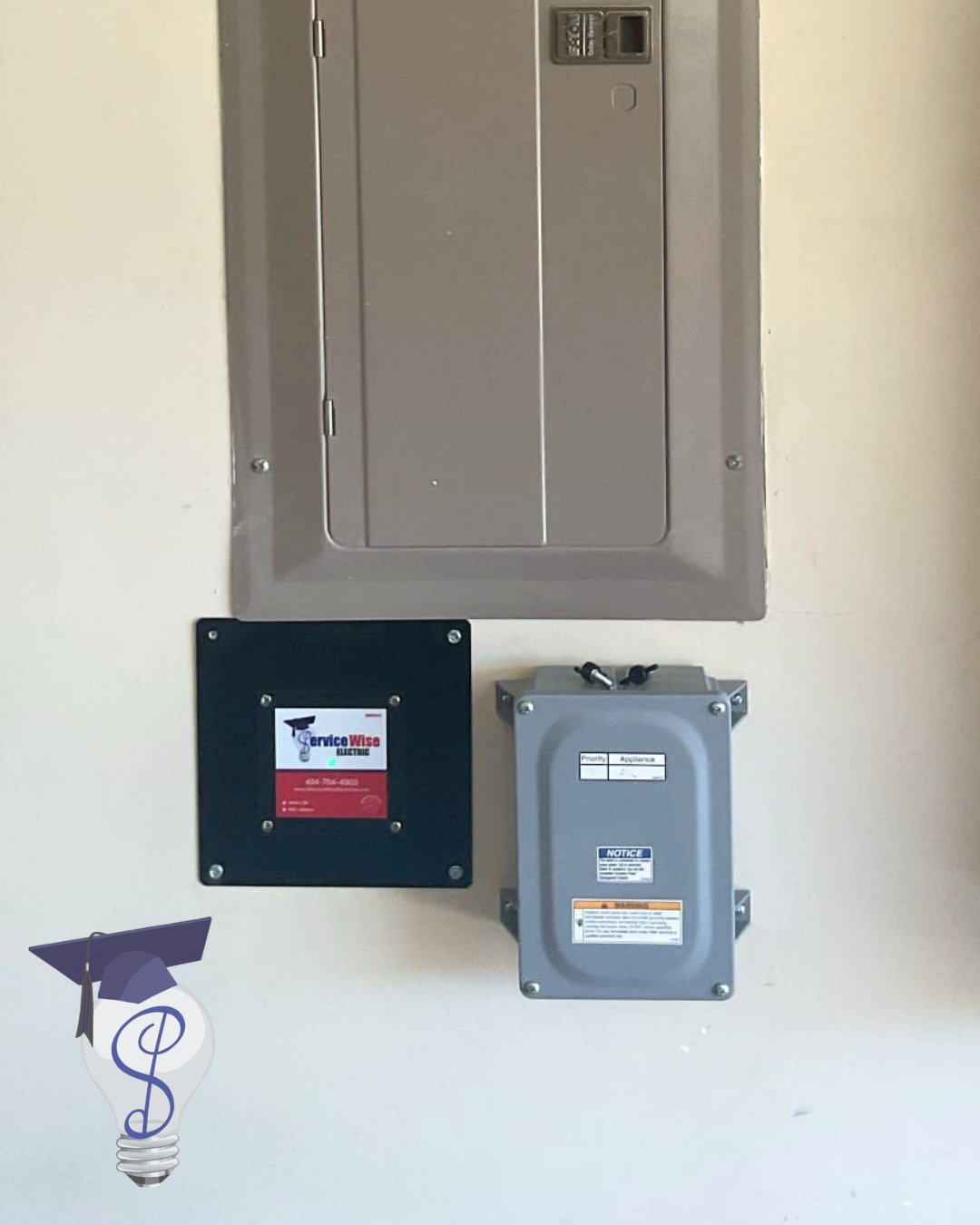
Modern systems may also support smart meters, advanced circuit protection, LED lighting, and automated controls. These upgrades give property owners better control over electricity use and make it easier to identify waste. When combined with electrical repair, system updates can create a safer and more efficient property.
Repairing Faulty Wiring and Connections
Damaged wiring can show up through flickering lights, buzzing outlets, warm switch plates, burning smells, or frequently tripped breakers. These warning signs should not be ignored because they may indicate resistance, overheating, or unsafe electrical flow. Addressing wiring problems promptly helps protect the building while improving energy performance.
Wiring deterioration can occur from age, moisture exposure, pests, or accidental damage during renovations. In commercial environments, heavy equipment use can also contribute to gradual wiring wear. Routine evaluation reduces the chance of these hidden issues going unnoticed.
Proper wiring repairs require the right materials, safe procedures, and compliance with electrical codes. Replacing damaged conductors, securing loose connections, and correcting overloaded circuits can reduce power loss and improve system stability. Professional electrical repair also helps ensure that the work is done safely and correctly.
Improving Appliance and Equipment Efficiency
Appliances and equipment can consume more energy when they are poorly maintained or connected to an inefficient electrical system. Refrigerators, HVAC systems, water heaters, lighting, and commercial equipment all depend on consistent electrical performance. If connections are weak or components are worn, these devices may use more power than necessary.
Energy audits can help determine which appliances contribute most to energy usage. This information allows property owners to prioritize upgrades or repairs where the greatest efficiency gains can be achieved. Better-performing equipment often delivers improved comfort and productivity as well.
Simple improvements can make a noticeable difference. Replacing worn outlets, repairing dedicated circuits, cleaning appliance components, and upgrading to Energy Star-rated equipment can reduce energy use. Electrical repair supports these improvements by making sure appliances receive steady and reliable power.
Using Smart Technology for Better Control
Smart technology can help property owners monitor and manage electricity use more effectively. Smart thermostats, lighting controls, occupancy sensors, and energy monitoring systems can reduce waste by adjusting usage based on real needs. These tools are especially useful in buildings where lights, appliances, or climate systems are often left running unnecessarily.
Real-time monitoring provides greater visibility into consumption patterns. By identifying peak usage periods, property owners can adjust habits or automate systems to improve efficiency without sacrificing comfort or productivity.
For the best results, smart devices should be installed on a safe and dependable electrical system. If wiring or panels are outdated, the technology may not perform as intended. Electrical repair can prepare the system for these upgrades and support more accurate energy management.
Supporting Renewable Energy Solutions
Renewable energy systems, such as solar panels and battery storage, rely on proper electrical integration. Before adding renewable technology, a property’s electrical system should be evaluated to confirm that it can safely manage new energy sources. This may involve panel upgrades, wiring improvements, or repairs to existing components.
Energy storage systems are becoming increasingly valuable because they help balance energy production and demand. Batteries can store excess energy generated during the day and supply power during high-demand periods or outages.
Hybrid energy systems, smart inverters, and battery backups can help balance energy production and usage. However, these systems must be installed and maintained carefully to avoid performance problems. Electrical services help create a strong foundation for renewable energy adoption and long-term savings.
Reducing Long-Term Costs
Energy-efficient electrical systems can lower monthly utility bills and reduce the likelihood of emergency repairs. Small problems, such as loose connections or worn outlets, may seem minor at first but can become costly if ignored. Proactive maintenance helps control expenses by addressing issues before they damage equipment or disrupt daily operations.
Long-term planning also improves budgeting. Instead of facing sudden repair expenses, property owners who invest in preventative maintenance can spread costs more predictably over time. This approach reduces financial stress and supports operational stability.
Businesses can also benefit from improved reliability and fewer interruptions. Homes gain better safety, comfort, and performance from properly maintained systems. Over time, investing in inspections, upgrades, and electrical services can provide meaningful financial and environmental benefits.
Electrical repair plays an important role in improving energy efficiency by correcting faulty wiring, updating outdated systems, supporting appliance performance, and preparing properties for modern technology. With professional inspections, timely maintenance, and strategic upgrades, homes and businesses can reduce energy waste, improve safety, and lower long-term costs. A well-maintained electrical system supports both everyday comfort and a more sustainable future. Contact our team at Servicewise Electric & Plumbing and learn more about our electrical services.